What's the difference between butter and margarine?
Butter is a fat made from the cream of milk, and margarine is a spread made from vegetable oils, usually with no milk. Both are used for baking and cooking – in doughs, cakes and cookies, for frying and for spreading – and it is common to swap them one to one. Butter gives a richer taste and a nice browning, and it matters most where its taste stands out, as in shortcrust pastry or butter cookies. Margarine is usually chosen for a recipe without dairy, and it spreads straight from the fridge. Note that margarine often has more salt and less fat, so the texture and taste of a bake can change a little.
By the numbers: butter has more fat (81 g per 100 g, against 60 in margarine); margarine: saltier (560 mg of sodium per 100 g, against 11). At Afoona butter appears mostly in Desserts, and margarine in Breads & Pastries. You can swap: Margarine instead of butter, 1:1 (For baking and cooking).
Creamy risotto with chanterelle mushrooms and brown butter, finished off the heat with butter and Parmesan. Good for entertaining, since it's ready in half an hour.
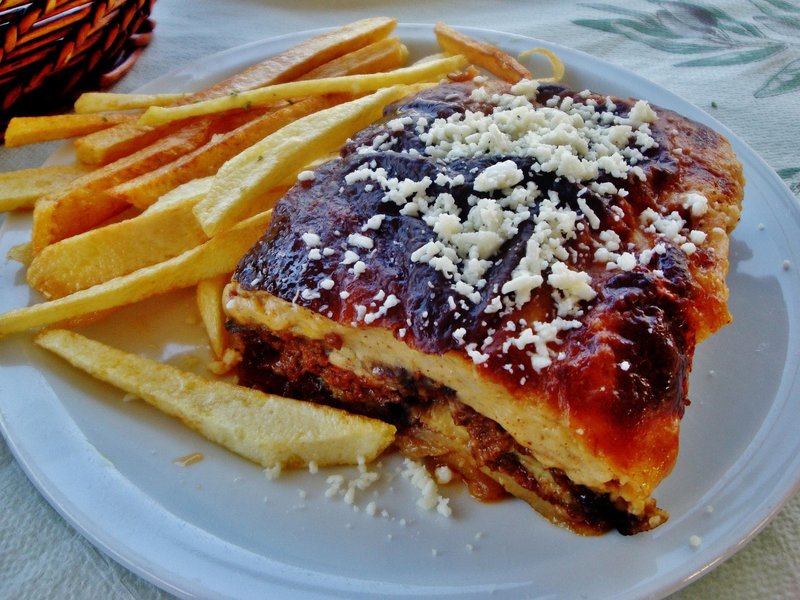
Greek moussaka with roasted eggplant, a cinnamon-spiced meat sauce and béchamel browned with Parmesan. A Shabbat dish that feeds a whole table and is even better the next day.
 🧊 In the fridge📒 Notebook
 Afoona